

In this comparison of LG Gallery TV features vs Samsung Frame TV, we explore how both brands approach art-focused televisions differently.
LG has officially stepped into the fast-growing art TV segment with the launch of its new LG Gallery TV, signaling a clear shift beyond traditional premium televisions. Until now, Samsung’s Frame TV series has largely dominated this category, shaping how consumers perceive art-focused televisions.
With Gallery TV, LG is not simply introducing another high-end display—it is redefining how televisions integrate into modern living spaces. Rather than competing purely on brightness or refresh rates, LG is emphasizing design, aesthetics, and lifestyle compatibility.
From my personal perspective as someone who closely follows consumer tech trends, this move feels less like a reaction and more like a long-term strategic decision by LG.
What Is the LG Gallery Feature?
The LG Gallery feature is designed to transform the television into a visual art display when not actively in use. Instead of showing a black, inactive screen, the TV displays artwork, photography, or ambient visuals that blend naturally into the room.
Read More: Will CNAP Replace Truecaller?
Key elements of the LG Gallery feature include:
- Art and ambient display modes
- Ultra-slim, wall-flush mounting
- Minimal bezels for a frame-like appearance
- Seamless switching between TV content and art mode
This approach reflects a broader shift in consumer behavior—people now expect technology to disappear into their interiors, not dominate them.
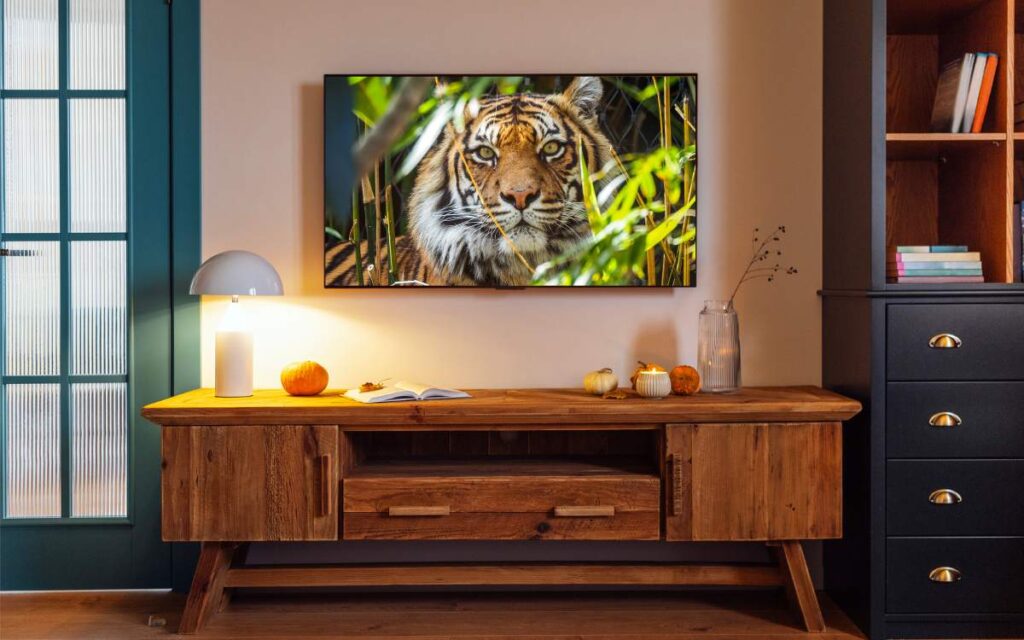
What Makes LG Gallery TVs Unique?
While Samsung’s Frame TVs pioneered the art TV concept, LG Gallery TVs bring a slightly different philosophy to the table.
1. Flush Wall Design
LG Gallery TVs are designed to sit completely flat against the wall, reducing visible gaps. This is particularly important for users who care deeply about interior symmetry and minimalism.
2. Focus on Visual Harmony
LG positions the Gallery TV as an extension of the room’s décor rather than a tech gadget. When idle, the screen becomes part of the environment rather than an attention-seeking object.
3. Integration With LG’s Smart TV Ecosystem
LG Gallery TV is not an isolated product. It integrates smoothly with LG’s broader smart TV platform, making it easy to control art modes, streaming, and system settings.
From a long-term usability standpoint, this ecosystem integration is something many users tend to underestimate at first—but appreciate later.
LG Gallery TV Features and Specifications (Overview)
| Feature | LG Gallery TV | Samsung Frame TV |
| Design Focus | Ultra-slim, flush wall | Frame-inspired look |
| Art Mode | Yes (Gallery & ambient visuals) | Yes (Art Store) |
| Wall Mount | Included flush mount | Slim wall mount |
| Display Philosophy | Minimalist & modern | Decorative frame |
| Target Users | Design-first buyers | Art & décor enthusiasts |
When it comes to wall-mounted aesthetics, LG Gallery TV features vs Samsung Frame TV show clear differences in thickness, frame styling, and flush-wall installation.
This table highlights that the competition is not purely about display performance—it’s about design philosophy and lifestyle alignment.
LG Gallery TV vs Samsung Frame TV: High-Level Comparison
Rather than positioning the Gallery TV as a replacement for OLED or QLED models, LG has created a parallel premium category.
How LG positions itself:
- A design-forward alternative
- Emphasis on wall integration
- Subtle aesthetics over bold framing
How Samsung Frame TVs lead:
- Strong brand recognition
- Established art content ecosystem
- Decorative frame customization
In simple terms, Samsung Frame TVs feel more like art pieces with frames, while LG Gallery TVs feel more like screens that disappear into the wall.
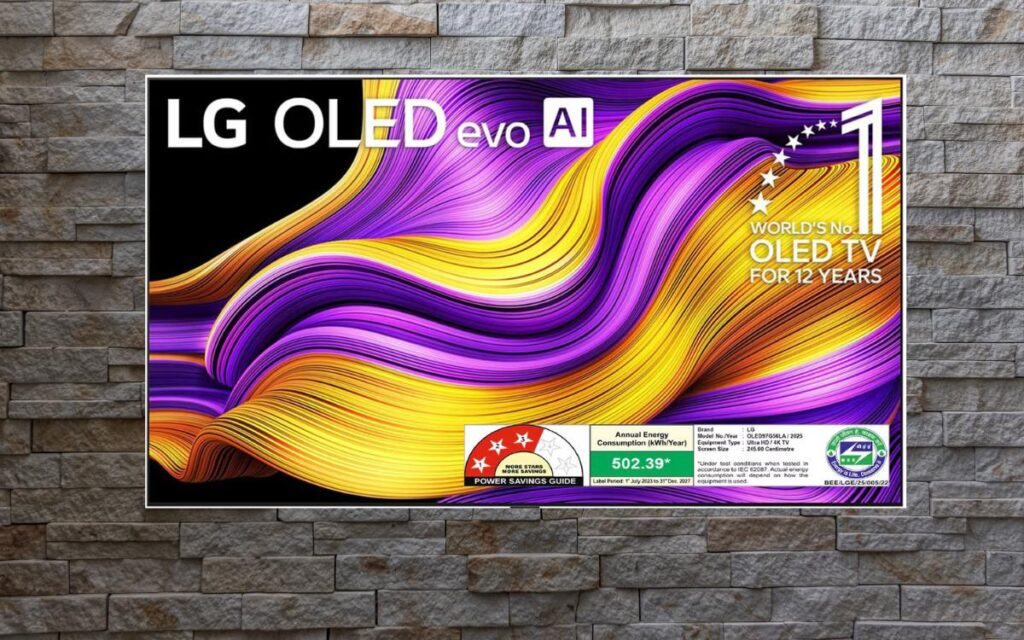
The Role of Software and Art Display Modes
Art TVs are defined as much by software as by hardware.
LG Gallery TV includes:
- Dedicated art and ambient modes
- Easy switching between décor and entertainment
- Smart controls integrated into LG’s TV OS
This mirrors Samsung’s approach but reinforces one important point: art TVs are ecosystem products, not standalone panels.
Read More: Laptop & Desktop Buying Guide 2026 – Best Configuration Tool
Why LG Entered the Art TV Market Now
Several market trends explain the timing:
- Changing Consumer Expectations
People want devices that blend with their homes, especially in urban living spaces. - Proven Demand by Samsung
Samsung’s success validated the commercial viability of art TVs. - Premium Market Evolution
Today, premium TVs are judged not only on specs but also on aesthetics and lifestyle fit.
A major talking point in LG Gallery TV features vs Samsung Frame TV is how each brand handles art display modes and smart TV integration.
LG’s Gallery TV confirms that art TVs are no longer a niche experiment—they are now a mainstream premium category.
How to Install LG Gallery TV (Step-by-Step Overview)
Installing an LG Gallery TV correctly is crucial to achieve its signature flush-wall look.
Basic installation steps:
- Choose a solid wall surface (preferably concrete or reinforced drywall)
- Use the included flush wall mount designed specifically for Gallery TVs
- Align mounting brackets carefully to avoid visible gaps
- Manage cables internally for a clean, wire-free appearance
- Secure the TV firmly and test art mode alignment
From practical experience, professional installation is recommended if you want a truly seamless, gallery-style finish.
Why Art TVs Are Becoming Mainstream
Art TVs address several modern lifestyle needs:
- Smaller living spaces
- Minimalist interior design trends
- TVs remaining off for long periods
By displaying art instead of blank screens, art TVs remain visually relevant even when inactive.
LG Gallery TV Design: When a TV Becomes Part of the Wall
The biggest highlight of the LG Gallery TV is its design philosophy. This TV is clearly built with the idea that when you are not actively watching content, it should not feel like a piece of technology dominating your living space.
From my personal observation, LG has focused more on a subtle, premium look rather than flashy or aggressive design. The Gallery TV doesn’t feel like something that has been forcefully mounted on a wall. Instead, it looks as if it was always meant to be there — almost like a natural extension of the wall itself.
Ultra-Slim, Wall-Flush Appearance
LG Gallery TV is designed to sit completely flush against the wall, leaving no visible gap between the TV and the surface. This wall-hugging design plays a huge role in making the TV look clean and minimal.
In modern homes where minimalist interiors are becoming more popular, this flush mounting makes a noticeable difference in how premium and well-planned the space feels.
Minimal Bezels for a Clean Visual Experience
The bezels on the LG Gallery TV are extremely thin, which helps in multiple ways:
- The screen feels more immersive
- Art mode looks more realistic and less “screen-like”
- The TV feels more like a canvas than a digital device
When Gallery mode is enabled, it becomes genuinely difficult to tell whether you are looking at a TV or a piece of wall art.
Colors and Finish That Blend with Interiors
LG has chosen neutral and soft finishes for the Gallery TV, making it easy to match with different interior styles. Whether your home has a modern, minimal, or premium décor theme, the TV blends in instead of standing out awkwardly.
In my opinion, this design choice is what separates the LG Gallery TV from many traditional premium televisions that still look bulky or visually distracting when turned off.
Perfect for Design-First Buyers
If you are someone who:
- Dislikes bulky or thick televisions
- Wants a clean, clutter-free living room
- Sees a TV as part of home décor, not just entertainment
then the LG Gallery TV’s design will definitely appeal to you.
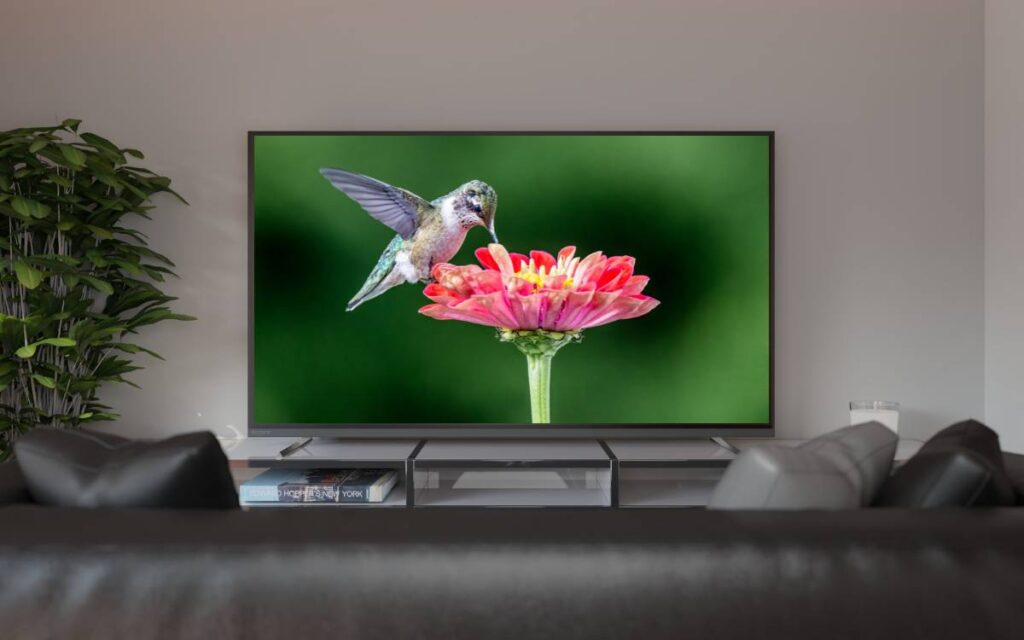
What LG Has Not Yet Revealed
LG has not fully disclosed:
- Pricing details
- Regional availability
- Screen size options
These details are expected closer to official market rollouts.
Final Perspective
LG’s Gallery TV is more than just a response to Samsung’s Frame TVs—it represents a broader industry shift toward design-centric technology.
As competition grows, consumers will benefit from:
- More refined art display modes
- Better wall-mount engineering
- Greater choice in premium TV aesthetics
In the long run, art TVs are likely to become a standard category rather than a novelty.
Read Also : Instagram Hashtag Limit Update 2026: How Many Hashtags Really Work Now?
Frequently Asked Questions (FAQ)
Q1. What is the LG Gallery feature?
The LG Gallery feature allows the TV to display artwork or ambient visuals when idle, turning it into a decorative element rather than a black screen.
Q2. What makes LG Gallery TVs unique?
Their ultra-slim, flush wall design and focus on minimal visual distraction set them apart from traditional TVs and even Samsung’s Frame lineup.
Q3. Is LG Gallery TV better than Samsung Frame TV?
Both target different design preferences. LG focuses on wall integration, while Samsung emphasizes framed artwork aesthetics.
Q4. How to install LG Gallery TV properly?
Use the included flush wall mount, ensure precise alignment, and manage cables internally for the best visual result.
Q5. Are LG Gallery TVs good for long-term use?
Yes, especially for users who value design, interior aesthetics, and smart TV ecosystem integration.
Q6. Which is better: LG Gallery TV or Samsung Frame TV?
When comparing LG Gallery TV features vs Samsung Frame TV, LG focuses more on flush-wall design while Samsung offers a mature art ecosystem.