
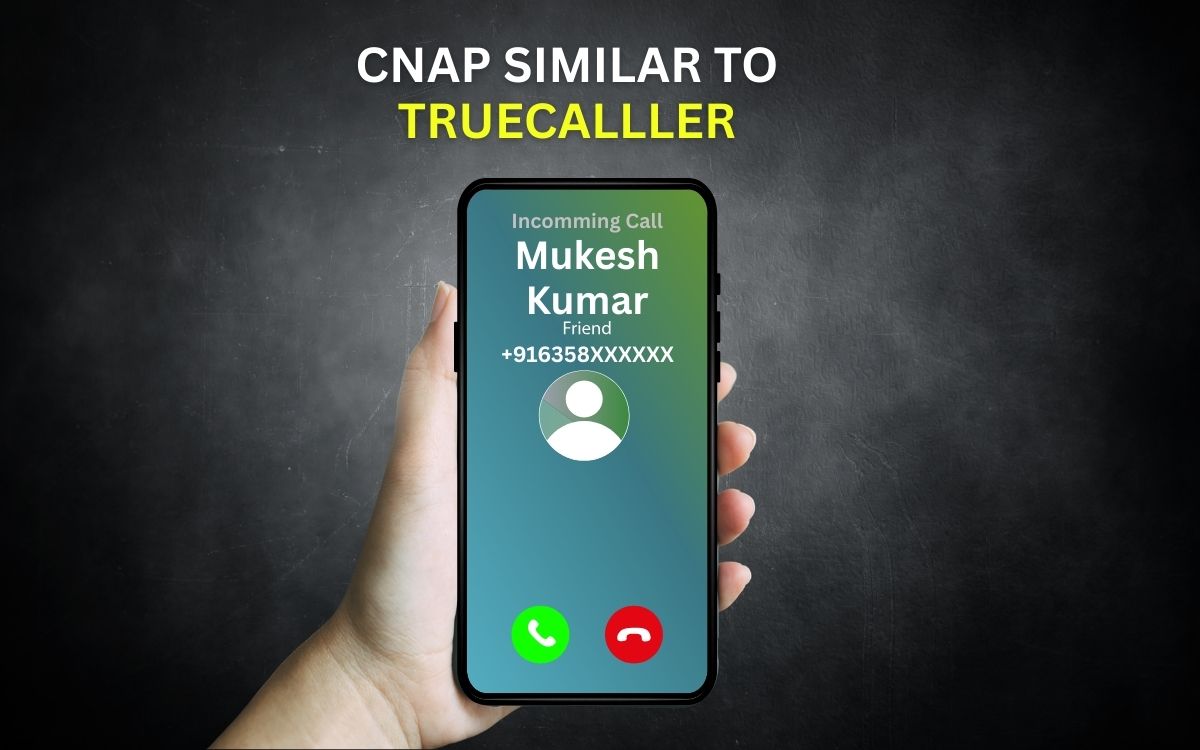
CNAP is a new telecom feature that aims to help users identify who is calling them before answering the call. With the rise of spam and fraud calls, CNAP is designed to improve call transparency and user safety.
Let’s understand CNAP in simple terms.
What Is CNAP in Telecom?
CNAP stands for Calling Name Presentation.
In telecom, CNAP is a service that displays the registered name of the caller on the receiver’s phone screen when a call comes in — instead of showing only the phone number.
Read More: Instagram Hashtag Limit Update: How Many Hashtags to Use for Free Followers in 2025-26
Example:
- Incoming call shows:
“Amit Sharma”
instead of just +91XXXXXXXX
📌 The caller name is taken from the telecom operator’s database, not from apps like Truecaller.
Why Was CNAP Introduced?
CNAP was introduced to address major problems like:
- Spam calls
- Scam and fraud calls
- Unknown numbers creating confusion
- Dependence on third-party caller ID apps
With CNAP, users get verified caller name information directly from the network.

How Does CNAP Work?
Here’s a step-by-step explanation of how CNAP works:
Step-by-Step Process
- A caller makes a call from their mobile number
- The telecom network checks the caller’s registered name in its database
- This name is linked to the phone number (KYC details)
- When the call reaches the receiver, the network sends:
- Phone number
- Caller name (CNAP data)
- The receiver’s phone displays the caller name on the screen
👉 All this happens in real time, before you answer the call.
CNAP vs Caller ID Apps (Quick Comparison)
| Feature | CNAP | Caller ID Apps |
|---|---|---|
| Data source | Telecom operator | User-generated data |
| Internet required | No | Yes |
| Accuracy | High (KYC-based) | Medium |
| Spam tagging | Limited | Strong |
| Privacy risk | Low | Higher |
Is CNAP Mandatory for All Users?
CNAP is being gradually implemented by telecom operators.
It may:
- Roll out in phases
- Depend on device compatibility
- Be enabled automatically in future
Users usually do not need to install any app to use CNAP.
Will CNAP Replace Truecaller?
Not completely.
- CNAP shows verified caller names
- Caller ID apps still offer:
- Spam alerts
- Community-based tagging
👉 CNAP focuses on authentic identity, while apps focus on spam detection.
Benefits of CNAP for Users
- ✅ See caller name before answering
- ✅ Less dependency on third-party apps
- ✅ Better protection from fraud calls
- ✅ Improved transparency in communication
Limitations of CNAP
- May not show names for:
- International calls
- Unregistered numbers
- Business names may appear differently
- Initial rollout may have minor inconsistencies
For CNAP guideline: TRAI website
Final Thoughts
So, if you are wondering:
- What is CNAP in telecom?
- How does CNAP work?
The answer is simple:
👉 CNAP is a network-level caller name display system that improves call transparency and user trust.
It is a major step toward reducing confusion and improving safety in everyday phone calls.
Frequently Asked Questions (FAQs)
Q. What does CNAP mean in telecom?
CNAP means Calling Name Presentation, a feature that shows the caller’s registered name during incoming calls.
Q. Does CNAP require internet?
No. CNAP works through the telecom network, not the internet.
Q. Is CNAP free?
Yes. CNAP is expected to be a default telecom feature, not a paid service.
Q. Will CNAP stop spam calls?
CNAP helps identify callers but does not block spam calls. It improves caller visibility, not call filtering.